Conflict dossier · #77 of 120
Angolan Civil War (11 November 1975 – 4 April 2002)
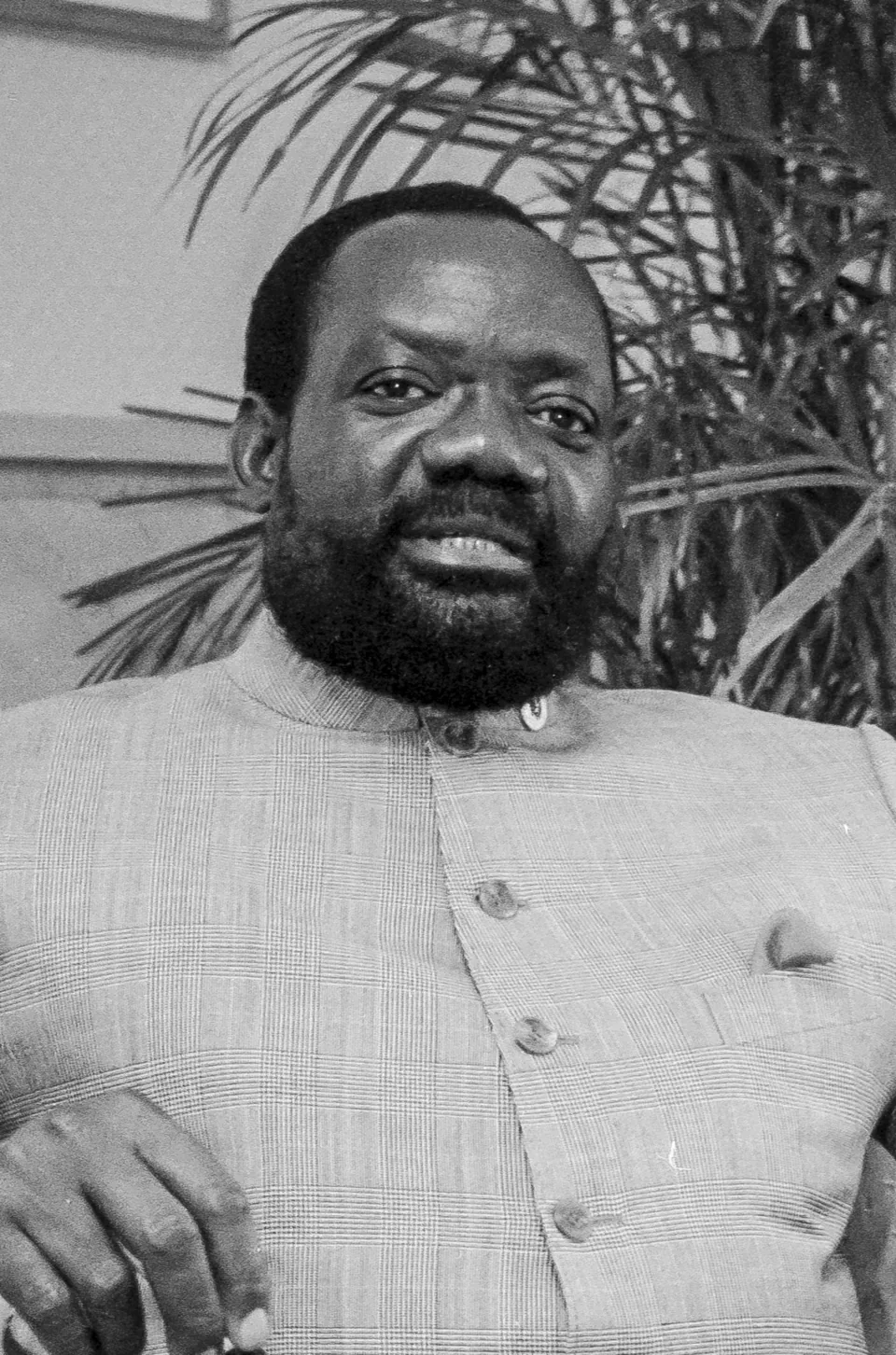
20th Century Tier 1
Angolan Civil War (11 November 1975 – 4 April 2002)
Overview
- Belligerents: MPLA government (Agostinho Neto, then José Eduardo dos Santos), backed by Cuba (up to ~50,000+ troops at peak), the Soviet Union, and East Germany, vs. UNITA (Jonas Savimbi), backed by South Africa and the United States, and (until 1976) the FNLA (Holden Roberto), backed by Zaire and initially the U.S./China.
- Theater: Angola; spillover into Namibia, Zambia, and Zaire/DRC.
- Outcome: MPLA military victory after Savimbi was killed in combat (22 February 2002); Luena Memorandum (4 April 2002); UNITA demobilized as a political party.
Causes (attributed)
- Historians (e.g., W. Martin James, Inge Tvedten; the UCDP conflict encyclopedia) trace the war to the collapse of the Alvor Agreement's transitional government in 1975: three rival liberation movements (MPLA, FNLA, UNITA) with distinct ethnic-regional bases and Cold War patrons turned their guns on each other as Portugal withdrew.
- The war's prolongation is attributed to Cold War patronage (Cuban/Soviet vs. South African/American), control of oil (MPLA) and diamonds (UNITA), and Savimbi's repeated rejection of election results (1992) and peace accords (Lusaka 1994) — his personal role is emphasized across the literature.
- South African intervention is framed by Pretoria's defenders as anti-communist containment and by critics as defense of apartheid's regional position; the New York Accords (1988) linked Namibian independence to Cuban withdrawal.
Course (brief, neutral)
MPLA seized Luanda at independence with Cuban help; South African and FNLA/UNITA offensives were repelled by early 1976. The war then became a grinding rural insurgency punctuated by set-piece battles (notably Cuito Cuanavale, 1987–88, the largest conventional battle in Africa since WWII). The 1991 Bicesse Accords and 1992 elections (won by dos Santos; rejected by Savimbi) were followed by renewed war, the 1994 Lusaka Protocol, and renewed war again in 1998. After Savimbi's death in 2002, UNITA's remaining forces accepted demobilization.
Casualties (named sources; contested)
- Total deaths: ~500,000 commonly cited (Wikipedia infobox: "800,000 killed and 4 million displaced"; Genocide Watch country profile: 500,000; simple Wikipedia: "over 500,000 civilians killed"). The 800,000 figure is an upper-end estimate — UNVERIFIED as precise.
- Battle deaths (UCDP/PRIO datasets via war-memorial.net): best estimate 112,569, low–high range 43,620–146,897; one-sided violence ~2,329 (low–high 2,325–6,346).
- Displacement: ~4 million (Wikipedia); landmine contamination among the world's worst (UN/NGO consensus).
- Civilian vs. combatant breakdown is UNVERIFIED — no systematic count exists.
Outcome & legacy
- MPLA retained power and transitioned to multiparty politics; dos Santos ruled until 2017.
- Angola became one of Africa's largest oil producers, with extreme inequality and corruption — the "resource curse" case study.
- Cuito Cuanavale is commemorated very differently in Luanda, Havana, and Pretoria (victory narratives contested).
- Landmines and unexploded ordnance remain a major humanitarian and agricultural problem.
Historiography pulse
- Academic consensus: a Cold War proxy war layered over a genuine internal power struggle; Savimbi's intransigence prolonged it past the Cold War's end; diamonds (UNITA) and oil (MPLA) financed continuation.
- Major debates: the military significance of Cuito Cuanavale (Cuban/Angolan victory narrative vs. South African claims of a tactical draw); the scale of civilian targeting by each side; U.S. responsibility via covert aid.
- Notable works: Piero Gleijeses, Visions of Freedom: Havana, Washington, Pretoria, and the Struggle for Southern Africa, 1976–1991 (2013); W. Martin James, A Political History of the Civil War in Angola, 1974–1990; the documentary Cuba: An African Odyssey (2007).
Validation tier
Tier 1 — multi-source consensus on dates, belligerents, Cold War dynamics, and outcome. Total death toll Tier 2 (500,000–800,000 range, source-dependent).
UNVERIFIED points
- Precise total death toll (500k vs. 800k).
- Civilian/combatant split.
- Exact Cuban troop totals over time (337,000–380,000 cumulative cited; methodology varies).
Sources
- https://en.wikipedia.org/wiki/Angolan_civil_war (infobox; accessed 2026-09-23)
- https://www.war-memorial.net/Angolan-Gvt-vs-UNITA-Guerilla-3.219 (UCDP/PRIO fatality data)
- http://www.genocide-watch.com/angola.html (Genocide Watch country profile)
- https://warwingsdaily.com/wars/the-angolan-civil-war-1975-2002/
Images
Sources
- infobox; accessed 2026-09-23
- UCDP/PRIO fatality data
- Genocide Watch country profile