Conflict dossier · #90 of 120
Baloch insurgency (1948–present)
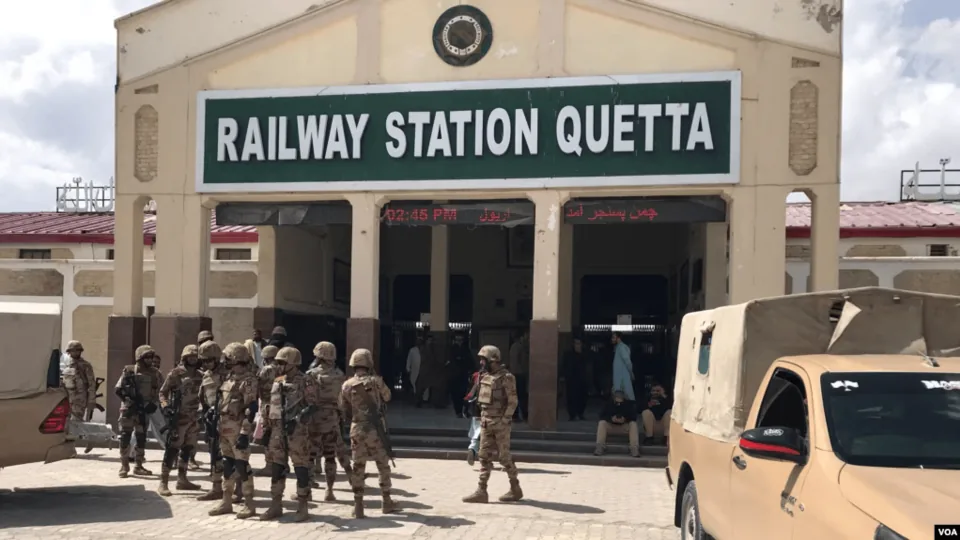
21st Century & Ongoing Tier 1
Baloch insurgency (1948–present)
Overview
- Belligerents: Government of Pakistan (army, Frontier Corps, intelligence services) vs. Baloch separatist militant groups, principally the Balochistan Liberation Army (BLA) and Balochistan Liberation Front (BLF), plus smaller factions; since 2021 also Tehrik-i-Taliban Pakistan (TTP) activity in the province.
- Dates: 1948–present; five distinct waves (1948, 1958–59, 1962–63, 1973–77, and 2004–present). Ongoing as of the September 2026 observation window, at its deadliest level in over a decade.
- Theater: Balochistan province, Pakistan (plus spillover into Iranian Sistan-Baluchestan and southern Afghanistan).
Causes
- Baloch nationalists argue Balochistan was annexed by Pakistan against the will of the Khan of Kalat in 1948, and cite the concentration of natural gas and mineral wealth alongside persistent poverty, Punjabi-dominated federal decision-making, enforced disappearances, and the China-Pakistan Economic Corridor (CPEC)/Gwadar project as evidence of resource extraction without local benefit.
- Pakistan's government argues the insurgency is a law-and-order problem stoked by foreign (chiefly Indian, in its claims) sponsorship; India denies the allegation.
- Analysts also point to intra-Baloch tribal rivalries and the grievances of "missing persons" families as fuel.
Course
Four short-lived uprisings were suppressed by 1977. The current wave began in 2004–2005 with attacks on gas infrastructure and security forces; the 2006 killing of Nawab Akbar Bugti in a military operation hardened separatist sentiment, per Baloch sources and regional analysts. Groups evolved from hit-and-run tactics to coordinated operations — highway blockades, sieges, and hijackings — most notoriously the March 2025 hijacking of the Jaffar Express. In February 2026, BLA's "Operation Herof II" offensive killed, per army statements, 17 security personnel and 31 civilians in early February, after which the army claimed to have killed over 200 militants (both figures claimed by the parties, not independently verified). The Centre for Research and Security Studies reported Q1 2026 fatalities in Balochistan surged from 217 to 443 — the deadliest quarter in over a decade — accounting for 55% of all violence-related deaths nationwide (via The Balochistan Post / Naveen Times). In September 2026, security forces reported continued operations in Panjgur and Chagai killing 11 militants (Terror Monitor, security-source claims).
Casualties
- 2025: 254 militant attacks in Balochistan resulting in 419 deaths and 607 injuries (Centre for Research and Security Studies, reported Jan 2026). BLF-linked incidents: 93 incidents, 273 deaths in 2025 (South Asia Terrorism Portal partial data, via Eurasia Review/IANS); the BLF's own annual report claimed 581 armed actions with 647 deaths and 282 injuries — claimed, not independently verified.
- Q1 2026: 443 fatalities in Balochistan, a 104% increase (CRSS).
- Total since 2004: no authoritative consolidated figure; estimates in the low tens of thousands are frequently cited but → UNVERIFIED.
Outcome & legacy (as of September 2026)
Unresolved and escalating. Chief Minister Sarfraz Bugti has ruled out negotiations; the insurgency has grown more operationally sophisticated (IEDs, drone use reported). Balochistan is now the epicenter of Pakistan's internal violence, and CPEC/Gwadar projects proceed under heavy security.
Tracker pulse
- UCDP lists the Balochistan conflict as an active state-based/non-state conflict; ACLED records high event counts in the province.
- ICG CrisisWatch (Feb 2026) noted the collapse of the October 2025 Pakistan–Afghanistan ceasefire and continued high-intensity militant attacks in Balochistan, including BLA offensives.
- Debate: whether the violence meets "civil war" intensity thresholds (UCDP dyad data vs. Pakistani government framing it as terrorism); and attribution disputes over "enforced disappearances" — Baloch activists attribute thousands of cases to state agencies; the government disputes the scale.
Validation tier
Tier 1 — tracked by UCDP, ACLED, ICG CrisisWatch, HIIK; 2025–26 casualty reporting corroborated across CRSS, Reuters, and independent outlets.
UNVERIFIED points
- BLA/BLF self-reported kill counts (929 casualties incl. 647 deaths in BLF's 2025 annual report; "Operation Herof II" claims).
- Pakistani army claim of killing "over 200 militants" in Feb 2026 counter-operations.
- Total deaths since 2004 (no consolidated figure).
- Pakistan's claims of Indian sponsorship; India's denials — neither independently adjudicated here.
Sources
- IANS via ianslive.in (SATP data, June 2026): https://ianslive.in/insurgency-in-balochistan-intensifying-due-to-rising-atrocities-against-civilians-by-pakistani-forces-report--20260624151319
- Centre for Research and Security Studies 2025 annual report (via The Free Library): https://www.thefreelibrary.com/Country+witnessed+34pc+increase+in+terrorism+in+2025.-a0869660267
- CRSS Q1 2026 (via Naveen Times): https://www.naveentimes.com/news/pakistans-decline-in-violence-narrative-questioned-as-balochistan-death-toll-surges-58158
- Reuters, 1 Feb 2026 (145 militants killed claim): https://www.reuters.com/world/asia-pacific/pakistan-forces-kill-145-militants-after-attacks-balochistan-chief-minister-says-2026-02-01/
- ICG CrisisWatch Pakistan, Feb 2026: https://www.crisisgroup.org/crisiswatch/database?location%5B0%5D=40&page=0
- The Migrant Online (Kalat hostage operation, Sept 2026): https://themigrant.online/pakistani-forces-kill-5-militants-and-free-23-hostages/