Conflict dossier · #15 of 120
Bar Kokhba Revolt (132–136 CE)
Ancient Tier 2
Bar Kokhba Revolt (132–136 CE)
Overview
- Belligerents: the Roman Empire (Legio VI Ferrata, X Fretensis, and reinforcements under Julius Severus, summoned from Britain) vs. the Jewish rebels of Judaea under Simon bar Kokhba (Shimeon ben Kosiba), acclaimed by Rabbi Akiva as the messiah.
- Dates: 132–136 CE (conventionally 132–135; Boaz Zissu and Werner Eck argue the war extended into early 136).
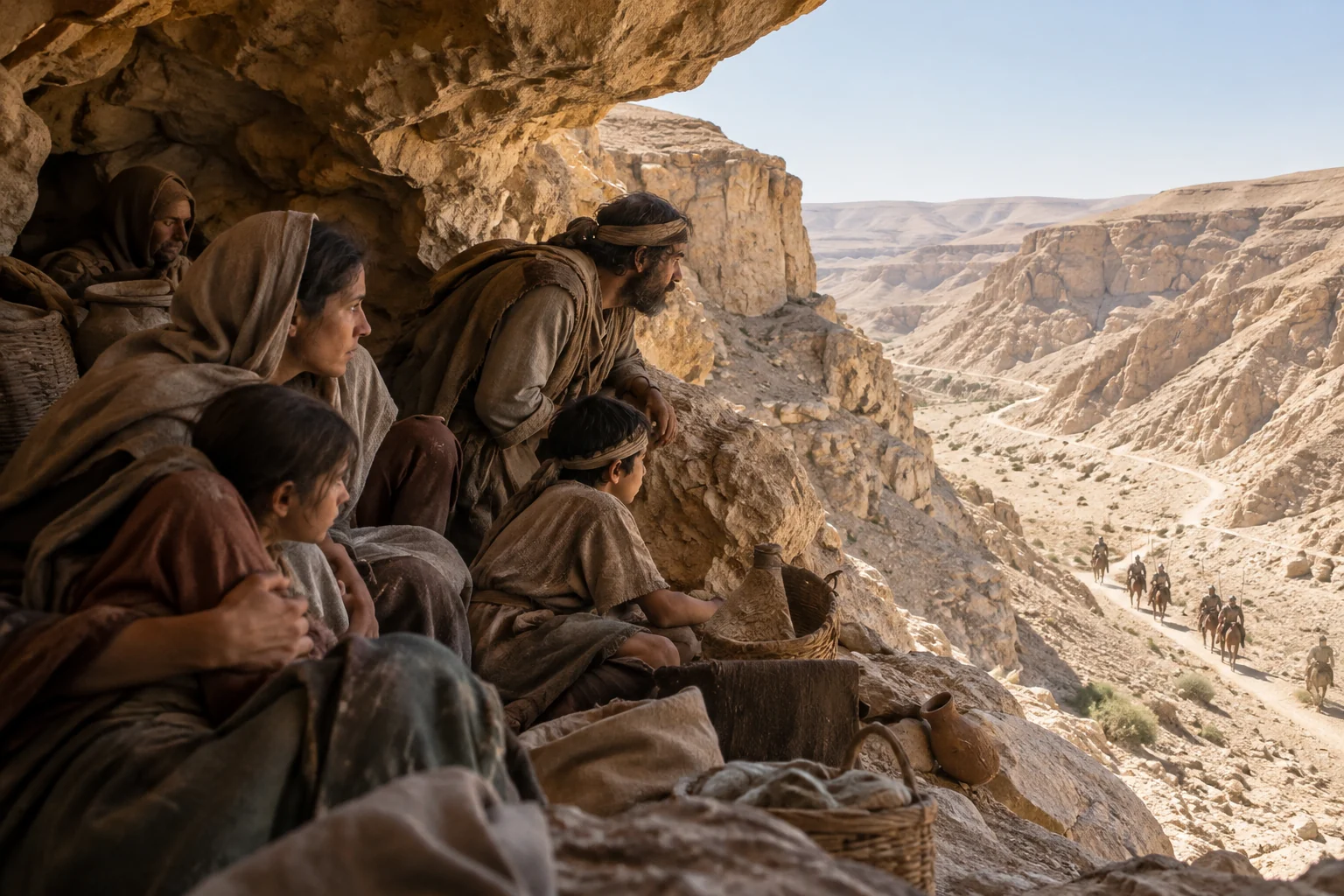
- Theater: Judaea — the Judean hills, the Shephelah, and refuge cave systems in the Judean Desert (Cave of Letters, Cave of Horrors).
Causes — attributed
- Cassius Dio (the most detailed ancient source) attributes the outbreak to Hadrian's refounding of Jerusalem as the Roman colony Aelia Capitolina, with a temple to Jupiter Capitolinus on the Temple Mount — a symbolic erasure of Jewish religious centrality.
- The Historia Augusta claims a Hadrianic ban on circumcision triggered the revolt; modern legal-historical analysis (e.g., of the Digest 48.8.11) finds no evidence of a pre-revolt ban — Antoninus Pius's later rescript reads as clarification, not reversal — so the ban thesis is now doubted by most scholars and likely post-dates the revolt as punishment.
- Modern scholars (e.g., Peter Schäfer, The Bar Kokhba War Reconsidered; Werner Eck) emphasize the colonial-foundation provocation corroborated by archaeology (Bar Kokhba's own coinage invoking "Jerusalem" and the Temple; coin hoards from 128–130 CE), plus the dashing of hopes for Temple restoration after the First Revolt.
Course
132: revolt erupts; rebels overrun Judaea, establish an independent administration (dated coins "Year 1/2 of the redemption of Israel," letters from Bar Kokhba's headquarters at Ein Gedi preserved in the Cave of Letters). Roman forces suffer early reverses — the near-annihilation of Legio XXII Deiotariana is inferred from its disappearance from records (UNVERIFIED as a battle event). 133–134: Hadrian summons Julius Severus; Rome switches to systematic attrition — small-unit operations, cutting off food, besieging 50 fortified strongholds. 135: Betar (Beitar), the last fortress, falls after a long siege; Bar Kokhba is killed. 136: mop-up operations.
Casualties
- Cassius Dio (69.14): "50 of their most important outposts and 985 of their most famous villages were razed to the ground. 580,000 men were slain in the various raids and battles, and the number of those that perished by famine, disease and fire was past finding out."
- Scholarly debate is genuinely split: Peter Schäfer suggested the figures may have been inflated to magnify Roman achievement; Hannah Cotton (2003) called them "highly plausible" against Roman census data; Dvir Raviv and Chaim Ben David (2021, Journal of Roman Archaeology) concluded from ethno-archaeological survey evidence that Dio's figures are "consistent with archaeological evidence for catastrophic depopulation" and based on contemporaneous documentation (https://resolve.cambridge.org/core/services/aop-cambridge-core/content/view/2D9838573C499EFC816F5E1569E63B58/S1047759421000271a.pdf/cassius_dios_figures_for_the_demographic_consequences_of_the_bar_kokhba_war_exaggeration_or_reliable_account.pdf).
- Shimon Applebaum estimated roughly two-thirds of Judaea's Jewish population died. Some scholars characterize the suppression as genocide — an attributed scholarly characterization, not a legal finding.
- The 580,000 figure is presented here as Dio's contested claim with the debate recorded; it is not settled fact.
Outcome & legacy
Judaea was devastated and renamed Syria Palaestina; Jews were banned from Jerusalem (except one annual day of mourning); the center of Jewish life shifted permanently to the Galilee and the Diaspora. Rabbi Akiva and other sages were executed. In modern Israel, Bar Kokhba is a contested national symbol — heroic resistance fighter to some (Jabotinsky's tradition), catastrophic miscalculation to others (Yehoshafat Harkabi's critique) — a live political debate, reported here without taking a side.
Historiography pulse
- Academic consensus: Dio is the best literary source; the revolt's reality and scale are confirmed by the Cave of Letters archive, Bar Kokhba coinage, and settlement-survey archaeology.
- Major debates: (1) Dio's numbers — exaggeration vs. reliable (the Raviv & Ben David 2021 study is the current landmark); (2) the circumcision-ban trigger — now largely doubted; (3) the revolt's end date (135 vs. 136); (4) Bar Kokhba's modern political symbolism.
- Notable scholarship: Peter Schäfer (ed.), The Bar Kokhba War Reconsidered (2003); Werner Eck on the war's chronology; Yigael Yadin's Cave of Letters publication.
Validation tier
Tier 2 — strong single literary source (Dio) + substantial archaeological corroboration; casualty figures actively debated between Tier 2 and Tier 3 readings.
UNVERIFIED points
- Dio's 580,000 figure as settled fact (defended by some, doubted by others — the debate is the finding).
- The annihilation of Legio XXII Deiotariana (inferred, not attested).
- The circumcision ban as a trigger (evidence points against).
- Exact end date (135 vs. early 136).
Sources
- Cassius Dio, Roman History 69.12–14 — primary literary source.
- Bar Kokhba letters (Cave of Letters, Nahal Hever) — primary documentary.
- Bar Kokhba coinage — primary material.
- Dvir Raviv & Chaim Ben David, "Cassius Dio's figures for the demographic consequences of the Bar Kokhba War: Exaggeration or reliable account?", Journal of Roman Archaeology 34.2 (2021) — https://resolve.cambridge.org/core/services/aop-cambridge-core/content/view/2D9838573C499EFC816F5E1569E63B58/S1047759421000271a.pdf/cassius_dios_figures_for_the_demographic_consequences_of_the_bar_kokhba_war_exaggeration_or_reliable_account.pdf
- Peter Schäfer (ed.), The Bar Kokhba War Reconsidered (Mohr Siebeck, 2003).
- Bar Kokhba Revolt — https://en.wikipedia.org/wiki/Bar_Kokhba_Revolt
Images
Sources
- Cassius Dio, Roman History 69.12–14 — primary literary source
- Bar Kokhba letters (Cave of Letters, Nahal Hever) — primary documentary
- Bar Kokhba coinage — primary material
- Dvir Raviv & Chaim Ben David, "Cassius Dio's figures for the demographic consequences of the Bar Kokhba War: Exaggeration or reliable account?", Journal of Roman Archaeology 34.2 (2021
- Peter Schäfer (ed.), The Bar Kokhba War Reconsidered (Mohr Siebeck, 2003
- Bar Kokhba Revolt