Conflict dossier · #107 of 120
Central African Republic Civil War (2012–present)
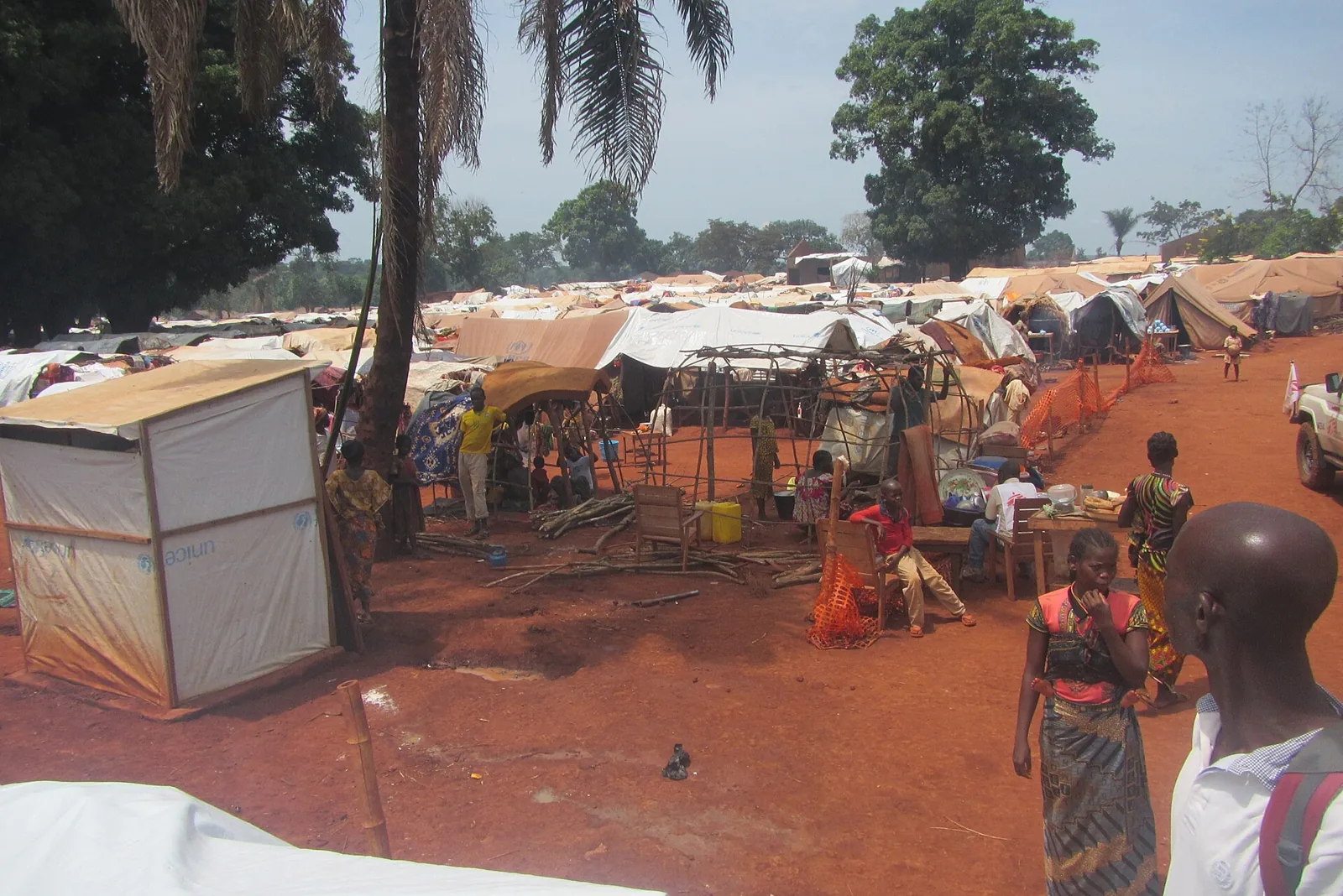
21st Century & Ongoing Tier 2
Central African Republic Civil War (2012–present)
Status: ongoing low-to-medium intensity armed conflict, as of the September 2026 observation window.
Overview
- Belligerents: CAR government (President Faustin-Archange Touadéra) with Russian personnel/mercenaries (Wagner/Africa Corps, per Western and UN reporting — "Black Russians 3,000+" per 2025 estimates cited on Wikipedia) and the UN MINUSCA peacekeeping mission (14,150 military + paramilitary personnel, 2025 figures per Wikipedia). Versus: the Coalition of Patriots for Change (CPC) rebel coalition and other armed groups (3R, UPC, MPC); formerly Séléka and anti-balaka militias.
- Dates: Séléka offensive December 2012; coup March 2013; sectarian escalation late 2013. Ongoing.
- Theater: Nationwide, concentrated in the north, center and east; mining areas (Nana-Bakassa, N'Délé); capital Bangui; border with Sudan (Am Dafok).
Causes (attributed)
- The Council on Foreign Relations traces the current phase to the December 2012 Séléka offensive against François Bozizé's government, the March 2013 coup by Michel Djotodia, and retaliatory "anti-balaka" violence that added a religious dimension — Séléka-associated fighters being mostly Muslim, anti-balaka mostly Christian (CFR Global Conflict Tracker).
- Analysts attribute persistence to: competition over diamond/gold mining revenues; weak state institutions; spillover from Sudan's war; and external involvement (Russian security presence supporting the government; Chadian/Sudanese cross-border dynamics). Each is an analytical attribution, not a settled fact.
- The government and rebels each blame the other for ceasefire violations (e.g., the April ceasefire signed by 3R and UPC with the government in 2026, per CrisisWatch).
Course
Séléka seized Bangui in March 2013; Djotodia's attempt to dissolve Séléka failed and anti-balaka reprisals plunged the country into sectarian violence and humanitarian crisis through 2014. International intervention (French Sangaris, AU MISCA, then UN MINUSCA from 2014) stabilized Bangui but not the hinterland. Touadéra was elected in 2016; the 2019 Khartoum peace agreement with armed groups partially held. In December 2020 the CPC coalition launched a new offensive around contested elections; government forces with Russian and Rwandan support pushed rebels back through 2021–2022. Since 2023 the conflict has settled into lower-intensity armed-group activity around mining sites and rural areas. In 2026: fighting at Am Dafok (July) killed at least ten; a September 2026 CrisisWatch entry notes opposition divisions ahead of December 2025 presidential elections (now past — UNVERIFIED outcome in sources consulted) and continued 3R/MPC clashes over mining sites.
Casualties (attributed)
- 13,594+ killed (October 2022) — figure cited on Wikipedia with sourcing; basis UNVERIFIED in this pass.
- "Thousands" killed since 2013; ~750,000 refugees (mainly to Cameroon and DRC); ~500,000 internally displaced — Council on Foreign Relations Global Conflict Tracker.
- 679,566 refugees since 2013; 445,536 IDPs as of 30 September 2025 — WHO Public Health Situation Analysis, December 2025.
- No consolidated death toll for 2012–present from UCDP/ACLED was retrieved in this pass; totals are UNVERIFIED beyond the ranges above.
Current status (as of September 2026)
- Active but fragmented: rebel and criminal violence persists, especially around mining sites; MINUSCA remains deployed; Russian personnel remain the government's key security partner.
- Political: December 2025 combined elections (presidential, legislative, municipal) proceeded amid opposition disputes (per CrisisWatch September 2025); outcome details UNVERIFIED in sources consulted.
- Humanitarian: severe underfunding — less than a third of 2025 needs covered in Q1 2025 (WHO).
Tracker pulse
- CFR Global Conflict Tracker: tracks CAR as an active conflict with background and 2026 updates (MINUSCA base attack, Am Dafok clashes).
- CrisisWatch (ICG): monthly entries through September 2025 documenting rebel activity and political tension.
- WHO PHSA (Dec 2025): displacement and humanitarian data.
- UCDP/ACLED: conflict listed as active in UCDP datasets; specific 2025–2026 fatality figures not retrieved in this pass — UNVERIFIED detail.
Validation tier
Tier 2 — strong reporting from CFR, ICG CrisisWatch, WHO and UN agencies with convergent active-conflict signal; no single consolidated fatality tracker figure retrieved.
UNVERIFIED points
- Consolidated death toll (13,594+ figure's methodology not verified in this pass).
- Composition and exact numbers of Russian personnel ("3,000+ Black Russians" per Wikipedia citing press — UNVERIFIED).
- Outcome of the December 2025 elections.
- Precise attribution of 2026 Am Dafok and mining-site clashes (competing claims by government and armed groups).
Sources
- https://en.wikipedia.org/wiki/Central_African_Republic_Civil_War (belligerents, 13,594+ figure, force levels)
- https://www.cfr.org/global-conflict-tracker/conflict/violence-central-african-republic (CFR — background, thousands killed, 750k refugees/500k IDPs, 2026 updates)
- https://www.crisisgroup.org/crisiswatch/database?location%5B0%5D=5&page=0 (ICG CrisisWatch — September 2025 entry, 3R/MPC mining clashes, election context)
- https://cdn.who.int/media/docs/default-source/documents/emergencies/phsa-car-final-updated_d-c-25_wco_approved.pdf?download=true&sfvrsn=f2bb94ba_1 (WHO PHSA Dec 2025 — displacement, funding)