Conflict dossier · #9 of 120
Qin Wars of Unification (230–221 BCE)
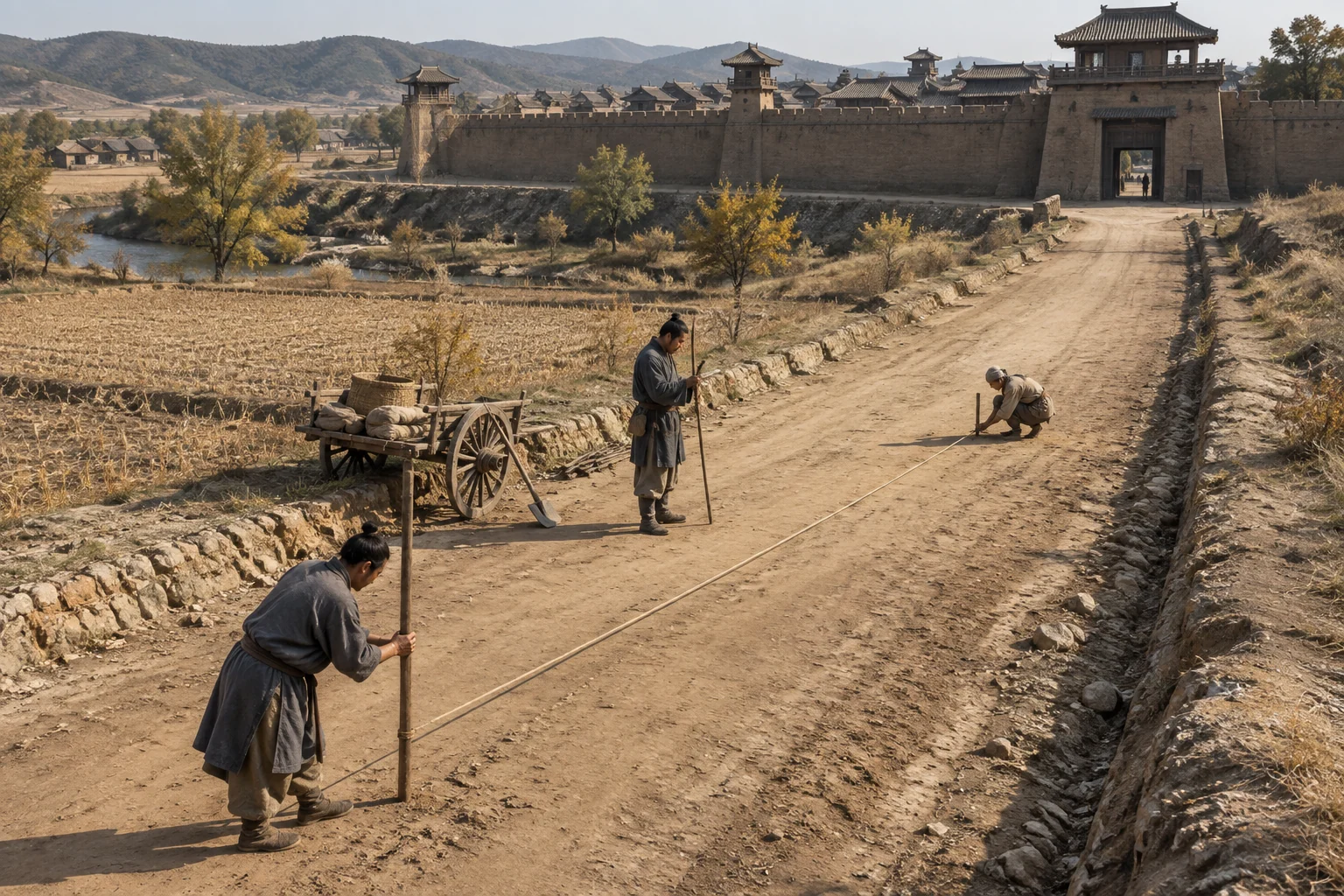
Ancient Tier 1
Qin Wars of Unification (230–221 BCE)
Overview
- Belligerents: the state of Qin under King Zheng (the future First Emperor, Qin Shi Huang) vs. the six other Warring States — Han, Zhao, Wei, Chu, Yan, and Qi.
- Dates: 230 BCE (conquest of Han) to 221 BCE (surrender of Qi); preceded by decades of Qin expansion including the decisive Battle of Changping (262–260 BCE).
- Theater: the Yellow River plain and central China.
Causes — attributed
- Sima Qian's Shiji (c. 94 BCE) frames the unification as the culmination of Qin's Legalist reforms (Shang Yang) and the ambition of successive Qin kings — a teleological narrative of inevitable unification.
- Modern scholars (e.g., Mark Edward Lewis, The Early Chinese Empires; Yuri Pines) emphasize structural causes: Qin's agricultural-military mobilization system, iron weapons, and the logic of the Warring States arms race, in which the balance-of-power system had collapsed and hegemony could only be secured by total conquest. Pines argues the Qin project was driven by an ideology of universal kingship, not mere security.
Course
Han fell 230; Zhao — already crippled by Changping — fell 228 (with a remnant, Dai, to 222); Wei fell 225 (Daliang flooded by diverting the Yellow River); the great Chu campaign required Wang Jian's 600,000 men (224–223); Yan fell 222; Qi surrendered without major battle 221. King Zheng proclaimed himself Qin Shi Huang, "First Emperor." The preceding Battle of Changping (262–260) — Qin general Bai Qi's encirclement and reported mass execution of ~400,000 surrendered Zhao troops — broke the only state that could have checked Qin.
Casualties
- Battle of Changping (262–260 BCE): Sima Qian reports ~450,000 Zhao dead (including the executed prisoners, with only 240 of the youngest spared) and ~250,000 Qin dead — "the greatest and longest battle of human antiquity" in some accounts (https://en.wikipedia.org/wiki/Battle_of_Changping). Modern scholars widely doubt the totals: fielding armies of 450,000–550,000 strains logistical credibility for the period; the figures are treated as indicative of an enormous slaughter, not verified counts.
- The unification campaigns (230–221): no systematic casualty records survive; Sima Qian gives episodic figures. Aggregate death toll is UNVERIFIED.
- The Changping figures, even discounted, place the Qin conquest sequence above the inclusion threshold.
Outcome & legacy
The unification created the first centralized Chinese empire: standardized script, weights, measures, coinage, and law; the imperial model that every subsequent dynasty claimed. The Qin dynasty itself collapsed within 15 years (209–206 BCE rebellions), but its institutions endured. The First Emperor's tomb complex (terracotta army) remains the iconic archaeological symbol of the unification.
Historiography pulse
- Academic consensus: the political sequence is secure; Sima Qian is indispensable but writes a century later with Han-dynasty biases (the Han legitimized itself against Qin "tyranny").
- Major debates: (1) the scale of Changping — real numbers vs. Sima Qian's inflation; (2) the "Qin tyranny" narrative — how much is Han propaganda vs. Legalist reality (recently excavated Qin legal texts, e.g., Shuihudi, complicate the picture); (3) whether unification was structurally inevitable or contingent on Qin's specific reforms.
- Notable scholarship: Mark Edward Lewis, The Early Chinese Empires: Qin and Han (2007); Yuri Pines, The Everlasting Empire (2012); the Shuihudi and Liye excavated texts.
Validation tier
Tier 1 — multi-source consensus (Shiji, excavated Qin/Han texts, archaeology); figures Tier 2/3.
UNVERIFIED points
- Changping casualty totals (450,000 / 250,000) beyond Sima Qian.
- Any aggregate death toll for the 230–221 campaigns.
- The "400,000 buried alive" detail (Sima Qian says executed; "buried alive" is later embroidery).
Sources
- Sima Qian, Shiji ch. 73 (Biographies of Bai Qi and Wang Jian) — primary narrative, Han-dynasty perspective.
- Excavated Qin legal/administrative texts (Shuihudi, Liye).
- Mark Edward Lewis, The Early Chinese Empires: Qin and Han (Harvard, 2007).
- Battle of Changping — https://en.wikipedia.org/wiki/Battle_of_Changping
Images
Sources
- Sima Qian, Shiji ch. 73 (Biographies of Bai Qi and Wang Jian) — primary narrative, Han-dynasty perspective
- Excavated Qin legal/administrative texts (Shuihudi, Liye
- Mark Edward Lewis, The Early Chinese Empires: Qin and Han (Harvard, 2007
- Battle of Changping