Conflict dossier · #105 of 120
Sinai insurgency (5 February 2011 – 25 January 2023)
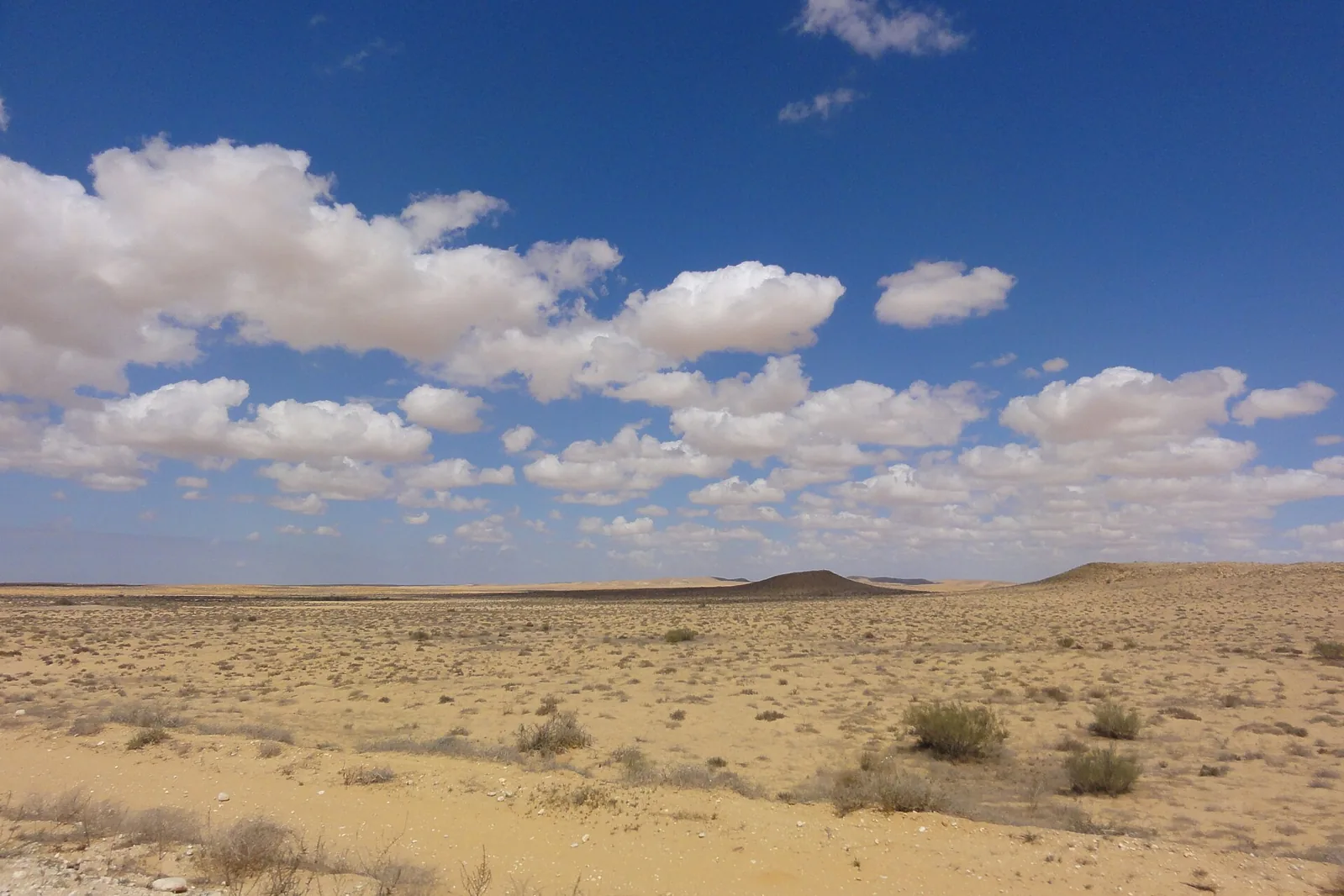
21st Century & Ongoing Tier 2
Sinai insurgency (5 February 2011 – 25 January 2023)
Status: ended (per verified government end-date announcement); trackers still note residual low-level violence. End date verified only as the Egyptian government's announcement date — see honesty note.
Overview
- Belligerents: Egyptian Armed Forces, Central Security Forces, Egyptian National Police, Sinai Tribal Union (pro-government tribal fighters from ~2022); alleged air/intelligence support from Israel and training support from the UAE (both alleged, not confirmed by all parties). Versus: Ansar Bait al-Maqdis (until late 2014), al-Qaeda-aligned groups (Hasm Movement, Jund al-Islam), Bedouin militants, and from November 2014 the Islamic State's Sinai Province (Wilayat Sinai).
- Dates: 5 February 2011 – 25 January 2023 (the latter per President el-Sisi's announcement; see below).
- Theater: North and central Sinai Peninsula, Egypt, with spillover attacks in mainland Egypt (Cairo, Nile Delta, Western Desert) and the Israeli border area.
Causes (attributed)
- Analysts at RAND argue the insurgency drew on long-standing Bedouin grievances: decades of economic marginalization of North Sinai, underdevelopment, and abusive security-force conduct (RAND commentary, 2019).
- The Egyptian government's position, as stated publicly, is that the conflict was driven by Islamist militant groups exploiting post-2011 instability; officials link the escalation to the 2013 removal of Mohamed Morsi, after which attacks intensified sharply.
- Researchers and Egyptian officials widely agree the November 2014 pledge of allegiance by Ansar Bait al-Maqdis to the Islamic State marked the insurgency's most violent phase (SIPRI Yearbook 2022, ch. IV, by Ian Davis).
- Attribution discipline: claims about the Muslim Brotherhood's role in arming Sinai militants are made by Egyptian government sources and contested by the Brotherhood and its supporters.
Course
Attacks began after the 2011 uprising toppled Hosni Mubarak, exploiting a security vacuum. Egypt launched Operation Eagle (2011) and Operation Sinai (2012) after a deadly border attack killed 16 soldiers. Following the July 2013 removal of Morsi, attacks intensified: militants hit checkpoints, the February 2014 Taba bus bombing killed tourists, and in October 2015 an IS-affiliated bombing of a Russian passenger jet over Sinai killed all 224 aboard. The July 2015 IS assaults on Arish checkpoints were among the heaviest fighting since 1973. In November 2017, gunmen attacked the al-Rawda Sufi mosque in Bir al-Abed, killing at least 235 people — reported as the deadliest terrorist attack in Egyptian history. Egypt responded with Operation Martyr's Right (2015) and the nationwide "Comprehensive Operation Sinai" (February 2018). From 2021–2022 the Egyptian Army partnered with the Sinai Tribal Union; violence declined steeply. On 25 January 2023 President Abdel Fattah el-Sisi announced the end of terrorism in North Sinai (reported via Wikipedia/Historica mirrors citing Egyptian state media).
Casualties (all attributed; ranges)
- ~1,000 security force members, ~2,500 militants, ~1,500 extrajudicial killings — the Observatory of World Politics (theowp.org), undated crisis index. The "extrajudicial" figure reflects that NGO's classification and is contested.
- 5,000+ total deaths since 2011 — StrategyPage analysis (2019), citing aggregate reporting.
- 264 conflict-related fatalities in Egypt in 2021, falling for the fifth successive year, lowest since 2012 — SIPRI Yearbook 2022 (Ian Davis), citing event data.
- Individual incidents: Bir al-Abed mosque attack ≥235 killed (widely reported); Russian Metrojet Flight 9268 bombing 224 killed; July 2015 Arish attacks: 21–64 soldiers (Egyptian government claims at the lower end; militant claims at the higher — UNVERIFIED split).
- No single authoritative overall total exists; Egyptian reporting restrictions in North Sinai are widely cited by journalists and NGOs as limiting verification.
Outcome & legacy
- The Egyptian government claims victory: by 2023 IS Sinai Province appeared dormant, and no large-scale attacks have been reported since (Egyptian state position; per 25 January 2023 announcement).
- Analysts caution the victory was military-heavy and that underlying drivers — Bedouin marginalization, underdevelopment — remain under-addressed (RAND; theowp.org notes the Sinai Development Program financing agreements signed to address this).
- Residual violence: reporting indicates occasional IED/mine incidents and small attacks continued after the announcement — the 2023 end date is the government's declaration, not a verified zero-violence date.
Tracker pulse (as of September 2026 window)
- SIPRI (2022 yearbook) classified it as a low-level non-international armed conflict in 2021 with declining fatalities. No UCDP encyclopedia entry is available in open sources consulted; ACLED event data underlies most fatality aggregates but ACLED does not publish a single "Sinai total."
- UN Human Rights mechanisms and NGOs (Tahrir Institute — timep.org) have documented counterterrorism-related arrests (~24,000+ reported arrested) and restrictions on reporting.
- Debate: whether the conflict qualifies as fully "over" (government position) versus in a suppressed/low-level phase (some analysts) — UNVERIFIED either way.
Validation tier
Tier 2 — strong multi-source event reporting (Reuters, SIPRI, RAND) plus a verified end-date announcement; no single consolidated tracker total, so casualty aggregates are attributed ranges only.
UNVERIFIED points
- Exact overall death toll (sources give 5,000+ to composite estimates; no consolidated count).
- Breakdown of militant vs. civilian deaths (Egyptian military claims of militant kills not independently verified).
- Alleged Israeli air/intelligence support (alleged by multiple outlets; denied/not confirmed by Israel publicly in the sources consulted).
- Whether post-2023 residual incidents amount to an ongoing insurgency.
- The theowp.org "1,500 extrajudicial killings" figure (NGO classification; contested by Egyptian authorities).
Sources
- https://en.wikipedia.org/wiki/Sinai_insurgency (dates, belligerents, infobox)
- https://www.sipri.org/sites/default/files/SIPRIYB22c06sIV.pdf (SIPRI Yearbook 2022, ch. IV, Ian Davis — 2021 conflict status, 264 fatalities)
- https://rand.org/pubs/commentary/2019/08/making-headway-against-the-sinai-insurgency.html (RAND — causes, ~1,000 security personnel killed)
- http://theowp.org/crisis_index/the-sinai-islamist-insurgency/ (OWP — casualty breakdown, displacement 100,000)
- https://timep.org/wp-content/uploads/2017/07/ESW_infographics_2013-17-web.pdf (Tahrir Institute — counterterrorism arrest/operation figures)
- https://m.strategypage.com/htmw/htterr/20191206.aspx (StrategyPage — 5,000+ deaths since 2011)
Images
Sources
- dates, belligerents, infobox
- SIPRI Yearbook 2022, ch. IV, Ian Davis — 2021 conflict status, 264 fatalities
- RAND — causes, ~1,000 security personnel killed
- OWP — casualty breakdown, displacement 100,000
- Tahrir Institute — counterterrorism arrest/operation figures
- StrategyPage — 5,000+ deaths since 2011