Conflict dossier · #108 of 120
South Sudanese Civil War (15 December 2013 – 2020)
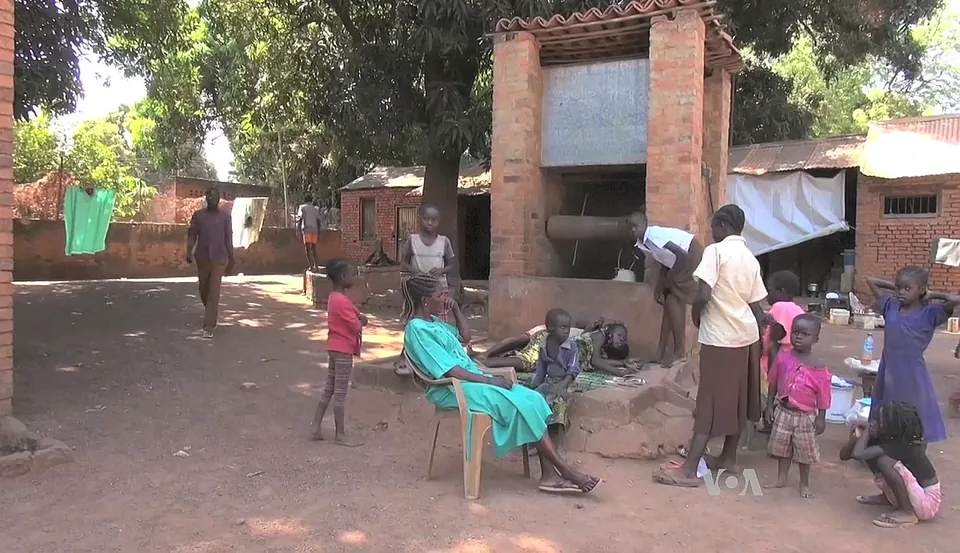
21st Century & Ongoing Tier 2
South Sudanese Civil War (15 December 2013 – 2020)
Status: ended — end date from verified sources (see note). Sporadic subnational violence continues but the civil war is treated as concluded by trackers.
Overview
- Belligerents: Government of South Sudan (President Salva Kiir, SPLA) and allied militias, with reported Ugandan military support early in the war. Versus: SPLM-IO (Riek Machar) and other opposition factions; ethnic dimension widely reported (Dinka-aligned government forces vs. Nuer-aligned opposition, though analysts caution against reducing the war to ethnicity alone).
- Dates: 15 December 2013 – 2020. End date anchored to the formation of the Revitalized Transitional Government of National Unity in February 2020 (UNMISS/UN reporting), following the Revitalized Agreement on the Resolution of the Conflict in South Sudan (R-ARCSS) signed September 2018. (The plan's (2013–2020) dating matches this; month-level precision beyond February 2020 UNVERIFIED in this pass.)
- Theater: South Sudan — Jonglei, Unity, Upper Nile, and the Equatorias; displacement into Uganda, Sudan, Ethiopia, Kenya, DRC.
Causes (attributed)
- The proximate trigger is undisputed in reporting: on 15 December 2013 fighting broke out in Juba after President Kiir accused sacked vice president Riek Machar of plotting a coup; Machar denied the accusation and fled, and the dispute escalated along ethnic lines (widely reported, e.g., AP via the LSHTM study coverage).
- Analysts attribute deeper drivers to: unresolved power-sharing and security arrangements after 2011 independence; competition over oil revenues; and the failure of the 2015 ARCSS agreement, which collapsed after July 2016 Juba clashes.
- Attribution discipline: Kiir's coup allegation and Machar's denial are both claims; the UN and AU have documented atrocities by both sides.
Course
Fighting erupted in Juba in December 2013 and spread to Jonglei, Unity and Upper Nile. The 2015 peace deal collapsed in July 2016; violence peaked in 2016–2017 and spread to the Equatorias. Regional mediation (IGAD) produced the R-ARCSS in September 2018. A unity government formed in February 2020. Subnational and communal violence has continued since, but UCDP and major trackers treat the civil war as ended.
Casualties (attributed; heavily contested range)
- ~382,900 excess deaths, of which ~190,000 from direct violence, December 2013 – April 2018 — London School of Hygiene & Tropical Medicine study, funded by the US State Department/US Institute of Peace, released September 2018; based on statistical modeling, not peer-reviewed at release. Lead author Francesco Checchi: "the true number may be considerably higher." The South Sudanese government disputed the figure (embassy official Gordon Buay called it "not accurate").
- ~50,000 killed — UN official estimate, 2016 (widely cited at the time; superseded by the LSHTM study per analysts like former UN official Klem Ryan, who told AP the higher figure was "much more realistic").
- ~2 million internally displaced; ~2.5 million refugees — UN figures cited in 2018 reporting.
- No authoritative total for 2013–2020 exists; the LSHTM figure covers only to April 2018.
Outcome & legacy
- The war ended with a negotiated power-sharing government, not a military victory; Kiir remains president, Machar returned as vice president under R-ARCSS.
- Legacy: one of the deadliest wars of the 2010s by excess-mortality estimates; a protracted humanitarian crisis; South Sudan remains fragile with persistent communal violence and delayed elections (elections repeatedly postponed — status as of September 2026 UNVERIFIED in this pass).
- The LSHTM study's methodology (statistical modeling of surveys and media reports) is the most comprehensive available but remains an estimate, disputed by the government.
Tracker pulse
- UCDP: the civil war is widely coded as terminated in 2020; the precise UCDP termination coding was not directly retrieved in this pass — UNVERIFIED detail.
- UNMISS / UN Panel of Experts: documented war-era atrocities; ongoing monitoring of subnational violence.
- ACLED: continues to track political violence in South Sudan post-2020.
- Debate: none significant on the war's end — but the exact excess-death figure is contested between the LSHTM estimate and the government's rejection.
Validation tier
Tier 2 — strong institutional evidence (UN/UNMISS documentation, LSHTM academic study, AP/VOA reporting) converging on scope and end; UCDP termination coding not directly retrieved in this pass.
UNVERIFIED points
- Exact total deaths 2013–2020 (LSHTM covers to April 2018; no authoritative full-period total).
- The LSHTM figure itself is a modeled estimate, disputed by South Sudan's government.
- Month-level end-date precision (February 2020 unity government is the anchor; some trackers code 2020 generally).
- Breakdown of deaths by perpetrator (attribution of atrocities documented by UN/AU but no consolidated perpetrator-specific toll).
Sources
- https://newsverge.com/2018/09/27/report-190000-people-killed-in-south-sudans-civil-war/ (LSHTM study: 190,000 violent deaths, 383,000 excess deaths)
- https://www.latestly.com/world/south-sudan-nearly-400000-people-have-died-in-civil-war-says-report-404877.html/amp (AP coverage: Checchi, Klem Ryan quotes)
- http://businessfocus.co.ug/south-sudan-war-death-toll-at-382900/ (382,900 figure; government dispute)
- https://www.GlobalSecurity.org/military/library/news/2018/10/mil-181010-voa05.htm (VOA: five-year war among deadliest; USIP funding)
Images
Sources
- LSHTM study: 190,000 violent deaths, 383,000 excess deaths
- AP coverage: Checchi, Klem Ryan quotes
- 382,900 figure; government dispute
- VOA: five-year war among deadliest; USIP funding