Conflict dossier · #83 of 120
Yugoslav Wars (1 March 1991 – 13 August 2001)
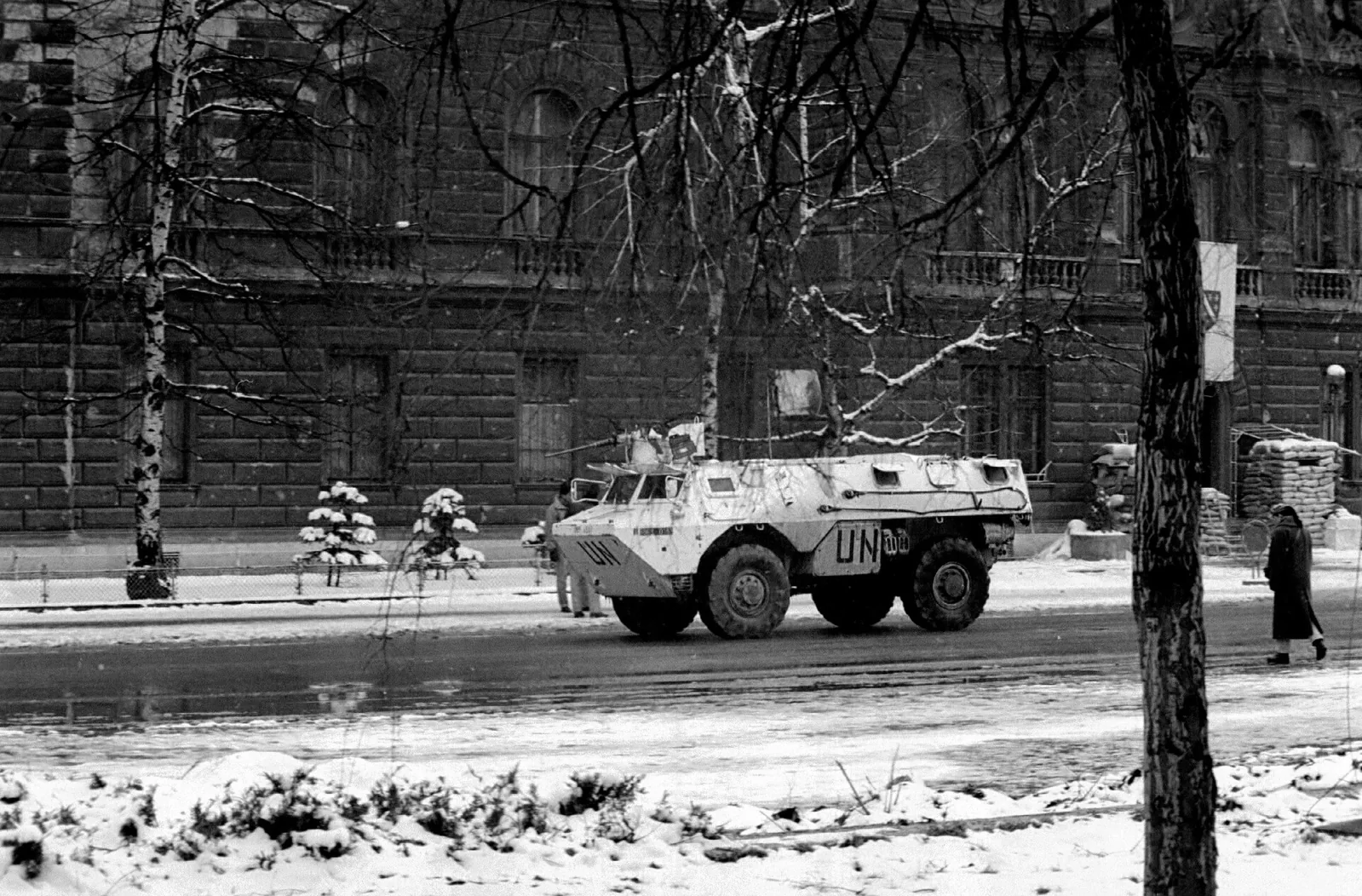
20th Century Tier 1
Yugoslav Wars (1 March 1991 – 13 August 2001)
Overview
- Belligerents: Slovenia, Croatia, Bosnia and Herzegovina (Bosniak-led government under Alija Izetbegović, plus Bosnian Croat forces), and later Kosovo's KLA (Kosovo handled in dossier 88), vs. Serbia/Yugoslav People's Army (JNA) under Slobodan Milošević, Bosnian Serb forces (Republika Srpska under Radovan Karadžić, military under Ratko Mladić), Croatian Serb forces (Krajina), and later Macedonian government vs. Albanian NLA insurgents (2001).
- Theater: Slovenia, Croatia, Bosnia and Herzegovina, Kosovo, Preševo Valley, North Macedonia.
- Outcome: Breakup of Yugoslavia into independent successor states; Dayton Accords (December 1995) ended the Bosnian war; Kosovo placed under UN administration after NATO's 1999 bombing; Ohrid Agreement (2001) ended the Macedonian insurgency.
Causes (attributed)
- Scholars (e.g., Susan Woodward, Balkan Tragedy; Sabrina Ramet; V. P. Gagnon) attribute the wars to the interaction of: Tito's death (1980) and the unravelling of the federal bargain; Milošević's centralization drive and revocation of Kosovo's autonomy (1989); Slovenia's and Croatia's declarations of independence (June 1991); and the mobilization of nationalist politics by republic-level elites.
- Gagnon and others argue elites deliberately demobilized liberal alternatives and used nationalist violence to preserve power — the "elite manipulation" thesis, debated against accounts stressing genuine popular nationalism.
- International recognition of seceding republics (notably Germany's early recognition of Croatia) is argued by critics to have accelerated the Bosnian catastrophe; defenders argue recognition was inevitable — contested.
- Economic crisis and IMF austerity in the 1980s are cited as structural background (Woodward).
Course (brief, neutral)
Ten-Day War in Slovenia (June–July 1991); Croatian War of Independence (1991–95: Vukovar, Dubrovnik siege, Operation Storm 1995); Bosnian War (April 1992–December 1995: Sarajevo siege — ~14,000 killed, the longest siege of a capital in modern warfare — ethnic cleansing campaigns, Srebrenica massacre of July 1995 in which Bosnian Serb forces under Mladić killed ~8,000 Bosniak men and boys, later ruled genocide by the ICTY and ICJ); NATO's 1995 bombing campaign and the Dayton Accords; Kosovo insurgency and war (1998–99, see dossier 88); Preševo Valley (1999–2001) and Macedonian (2001) insurgencies.
Casualties (named sources; contested in parts)
- Total: ~130,000–140,000+ (Wikipedia; Humanitarian Law Center: at least 130,000; International Center for Transitional Justice: 140,000; ronperrier.net compilation: "no less than 133,000").
- Bosnia 1992–95: 97,207–102,622 killed per the ICTY Demographic Unit's capture-recapture study (Tabeau et al., ~101,015 central estimate); of these, 64,036 Bosniaks (~83% of civilian dead, per HLC) — the best-documented toll of the wars.
- Croatia: ~20,000 dead (HLC/ronperrier compilation).
- Kosovo: ~13,500 (see dossier 88); Slovenia: ~70.
- Srebrenica: ~8,000 (ICTY/ICJ genocide finding; Bosnian Serb claims of lower figures are rejected by the courts but persist politically).
- Displaced: ~4 million total (2.4M refugees + 2M IDPs per the compilation; Bosnia alone 2.2M).
- Wartime rape: tens of thousands of victims (estimates vary; UNVERIFIED as precise).
Outcome & legacy
- Seven successor states; Bosnia frozen in the Dayton structure; Kosovo's status disputed (declared independence 2008, not universally recognized).
- The ICTY (1993–2017) indicted 161 individuals; Karadžić and Mladić received life sentences; Milošević died during trial (2006).
- Srebrenica is commemorated annually at Potočari; denial and casualty-number disputes remain politically live in the region.
- The wars reshaped international law (genocide jurisprudence, "responsibility to protect" debates) and NATO's post–Cold War role.
Historiography pulse
- Academic consensus: elite-driven nationalist mobilization turned a political crisis into wars of secession and ethnic cleansing; Bosnian Serb forces committed the preponderance of atrocities including the only judicially recognized genocide in Europe since WWII (Srebrenica).
- Major debates: casualty-number politics (each community's figures); whether earlier Western intervention could have prevented Bosnia's catastrophe; the "ancient hatreds" framing (rejected by specialists); Operation Storm's civilian toll and its legal/moral assessment; NATO's 1999 bombing legality.
- Notable works: Susan Woodward, Balkan Tragedy (1995); Noel Malcolm, Bosnia: A Short History; Ed Vulliamy, Seasons in Hell; the ICTY Demographic Unit studies (Tabeau et al.); films No Man's Land (2001), Quo Vadis, Aida? (2020).
Validation tier
Tier 1 — multi-source consensus on causes, course, Srebrenica as genocide (ICTY/ICJ), and the best-documented tolls (HLC, ICTY Demographic Unit).
UNVERIFIED points
- Exact all-wars total (130,000–140,000+ range; HLC's 130,000+ is the documented floor).
- Wartime rape victim counts.
- Precise responsibility attributions for specific incidents beyond court findings (defamation discipline: attribute claims).
Sources
- https://en.wikipedia.org/wiki/Yugoslav_Wars (infobox: 130,000–140,000+; accessed 2026-09-23)
- https://www.ronperrier.net/2019/03/30/yugoslavian-wars-1991-2002/ (HLC figures, Bosnia 97,207–102,622, Srebrenica detail)
- http://www.icty.org/x/file/About/OTP/War_Demographics/en/bih_casualty_undercount_conf_paper_100201.pdf (Tabeau et al. capture-recapture study)
- https://www.radstats.org.uk/no069/article3.htm (Vanessa Pupavac on casualty-number disputes)
Images
Sources
- infobox: 130,000–140,000+; accessed 2026-09-23
- HLC figures, Bosnia 97,207–102,622, Srebrenica detail
- Tabeau et al. capture-recapture study
- Vanessa Pupavac on casualty-number disputes