Start with the category
“Casualties” may mean killed and wounded together, while a death toll counts deaths. Other records separate civilians from combatants, direct deaths from indirect effects, or confirmed cases from estimates. A number without its category can be technically accurate and still mislead. Find the source’s own definition before comparing it with another figure.
Ask whether the count covers a battle, a campaign, a whole conflict or a period within it. Check whether missing people, deaths in captivity, disease and famine are included. The answer may differ between sources because they are measuring different things, not because one has made an arithmetic error.
Keep method and uncertainty attached
A count can come from named records, case-by-case verification, official reporting, demographic comparison or a synthesis of earlier estimates. Each method has strengths and blind spots. Verification may require evidence for each individual case and therefore lag behind events. An official total may be timely but difficult to audit. A later estimate may cover more categories while relying on assumptions.
Read a range as information. Its width can signal disagreement, incomplete records or different definitions. Do not select the largest or smallest endpoint simply because it makes a stronger point. If a source gives a central estimate, ask how it was produced and whether the source also explains a plausible interval.
Compare like with like
Before putting two figures side by side, align their dates, categories, geography and method. A count through one month cannot be compared directly with a full-war estimate. A military estimate is not a substitute for a civilian count. A figure reported by a party to a war should be attributed as that party’s claim unless independent verification is stated.
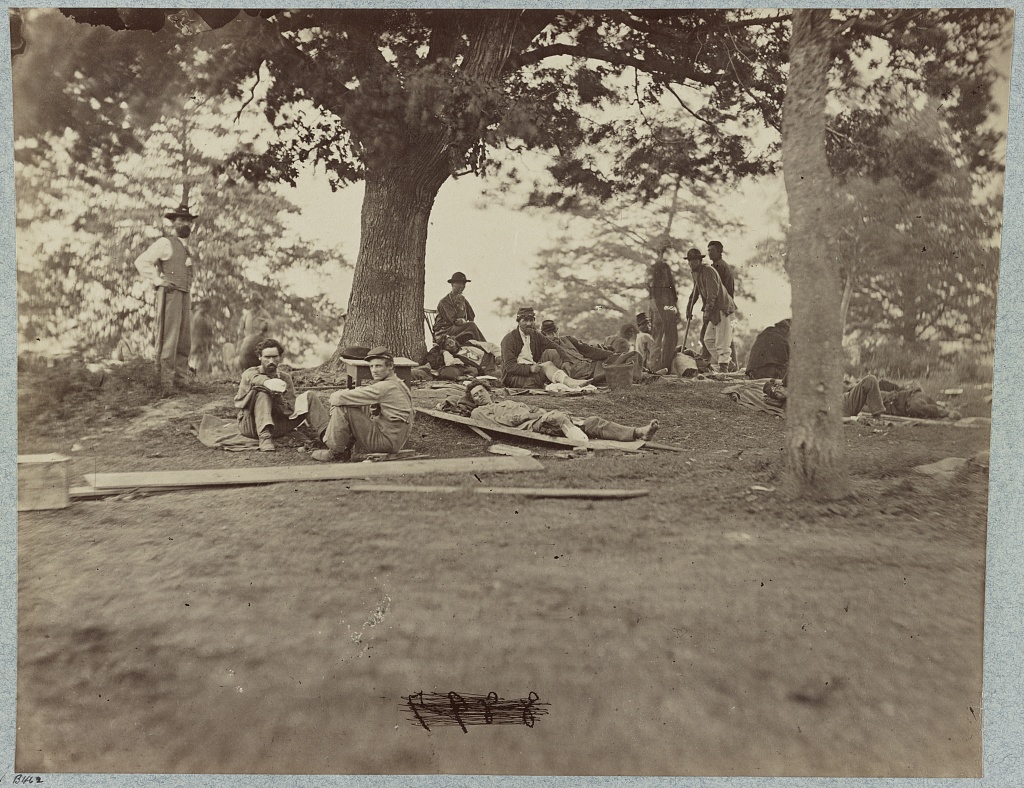
The archive’s dossier pages preserve source notes and uncertainty where available. The American Civil War dossier, for instance, presents a range rather than a single settled total; that is a cue to inspect the cited basis and scope, not permission to detach one endpoint from its explanation. When evidence cannot resolve a discrepancy, report both attributed figures and say why they may differ.