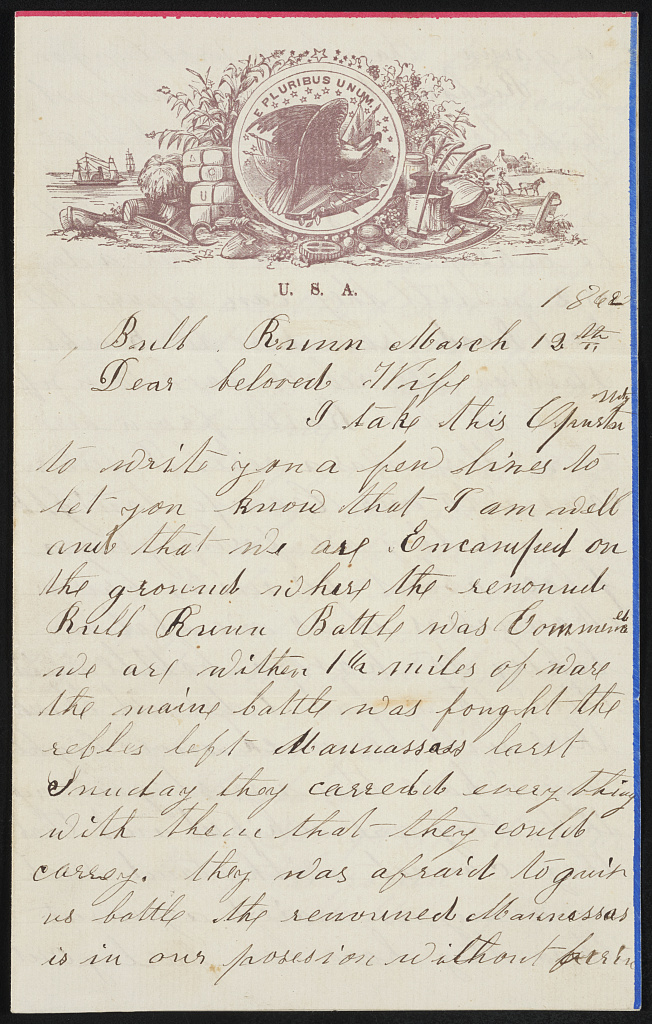
Identify who made the record and why
A primary source is close to the event or produced by a participant or institution involved in it. A secondary source interprets evidence after the fact. The distinction depends on the question: a newspaper from the period may be primary evidence for public reporting and a secondary account for a battle it did not witness.
Check the author or institution, intended audience, date, format and circumstances of production. A government statement, private letter, photograph, database and academic article each carry different constraints. Ask what the source could know directly, what it had reason to emphasize and what it could not observe.
Follow the chain, not just the citation
A citation can point to a source that points to another source. Follow that chain far enough to see where the claim originated. Does the later author quote the record accurately? Is a translation involved? Is the source accessible, complete and in context? A reference list is a route for checking, not a guarantee that every sentence is supported.
Independent corroboration means more than finding the same wording in several places. Trace whether outlets or authors rely on one shared report. Look for records created through different processes, and note when all available accounts depend on the same witness or institution. Repetition can increase reach without increasing evidentiary independence.
State what the evidence lets you say
Separate direct evidence from inference. A document may establish that an official issued an order; it may not establish how fully the order was carried out. A photograph may show a location and moment; without provenance it may not establish when or where it was taken. Say which step in the argument comes from the source and which step is your interpretation.
The World War I dossier and its source notes provide a practice case: select one claim, open the cited material where available, and check whether the citation supports the same scope and wording. If you cannot inspect the underlying source, attribute the claim to the intermediary and state that limit. A transparent chain lets another reader repeat your check.