Make room for more than one timescale
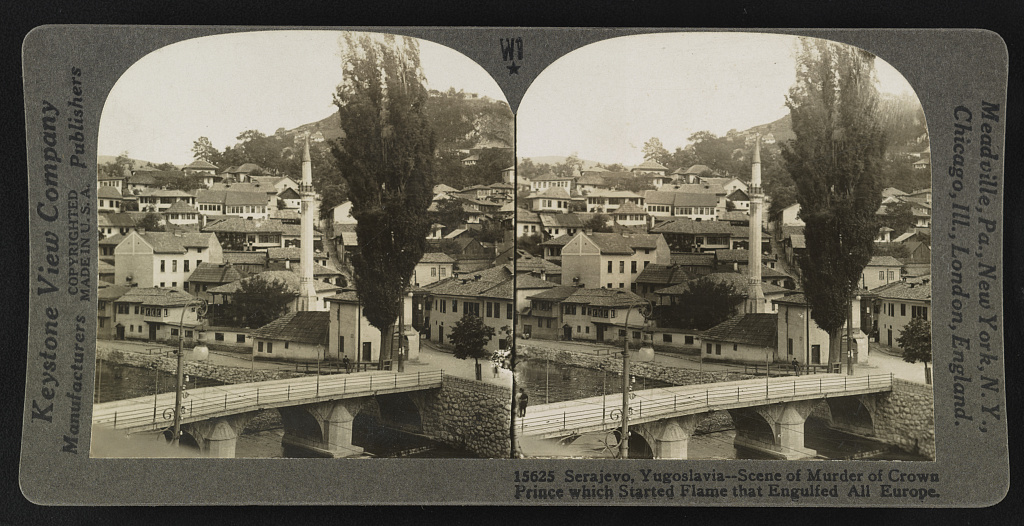
A trigger is a near-term event that helps explain why violence began when it did. Structural conditions develop over a longer period: political competition, institutions, economic pressures, social divisions or earlier conflicts. Neither category is a verdict. They are ways to organize questions about evidence at different timescales.
A timeline can help identify sequence, but sequence alone does not prove cause. Mark what happened before the outbreak, what decision followed, and which actors described their reasons at the time. Then compare those statements with later evidence and with explanations from historians or researchers.
Test each explanation against evidence
For every proposed cause, ask what evidence would support it and what evidence might complicate it. A leader’s public rationale is evidence of a stated position; it does not automatically reveal every motive. A later interpretation can connect developments across years, but it should identify its sources and acknowledge alternatives.
Watch for single-cause stories. They can make a complex conflict memorable by assigning one event or person all the explanatory weight. Ask whether the explanation accounts for timing, participation, escalation and variation across places. If it explains one part but not another, keep its scope narrow.
Write a causal account with boundaries
A careful summary can distinguish background conditions, immediate decisions and the event that marked the start of a defined conflict. It can also state where scholars disagree or where the record is thin. Naming uncertainty does not make an explanation useless; it tells the reader what the evidence can carry.
The Seven Years’ War dossier offers a useful place to practice separating a broad conflict from its constituent theaters and prior rivalries. Use its cited record to check how the site defines the subject and which causes its sources actually support. Avoid importing a familiar explanation from another conflict simply because the pattern sounds similar.